

An LCA is a project in itself
Specialist software, LCA expertise, months of effort. For a single product.
Model the stages of your product and see where the climate impact occurs.
2,100 companies already use Code Gaia · No. 1 ESG software for SMEs

























Ecodesign requirements, environmental product declarations and tenders ask for environmental impacts across the whole life cycle. The choice seems to be: an expensive LCA project per product, or no reliable statement.
Specialist software, LCA expertise, months of effort. For a single product.
Often you first want to know in which stage the biggest levers are. Only then is depth worth it.
Code Gaia shows the climate impact of your product per life cycle stage. So you know where measures and a deeper LCA pay off.
Freely configure the life cycle stages of your product, from raw material through production and use to end of life.

Code Gaia shows how much CO₂ occurs in which stage. In the dashboard you can also compare individual activities. So you see where measures pay off.

You import bills of materials from your ERP, and duplicate and adapt existing assessments.

For an LCA to ISO 14040 and 14044 with several impact categories, or for an environmental product declaration, you need a full LCA. Code Gaia gives you a starting point via the climate impact and shows where you should look deeper.

WHY CODE GAIA

Proven blueprints that change when the rules change.
Automation and Kurt AI take over the tedious work.

A complete trail behind every number. Your data is safe: GDPR-compliant and certified to ISO/IEC 27001.

Sustainability experts support you in key decisions and through the audit.
“[…] intuitive handling of the software with lots of explanations.”
“What impressed me most was the personal, partnership-based support from the Code Gaia team. The regular exchange with account managers, product owners and developers was always open, constructive and on an equal footing.”
“What I like best is how much time Code Gaia saves through automated data collection and emissions calculation. The software is super easy to use, and if you ever need help, support is there quickly and competently. This lets us produce professional sustainability reporting without any problems, despite limited resources.”
 Source: OMR Reviews · As of November 2026 (opens in a new tab)
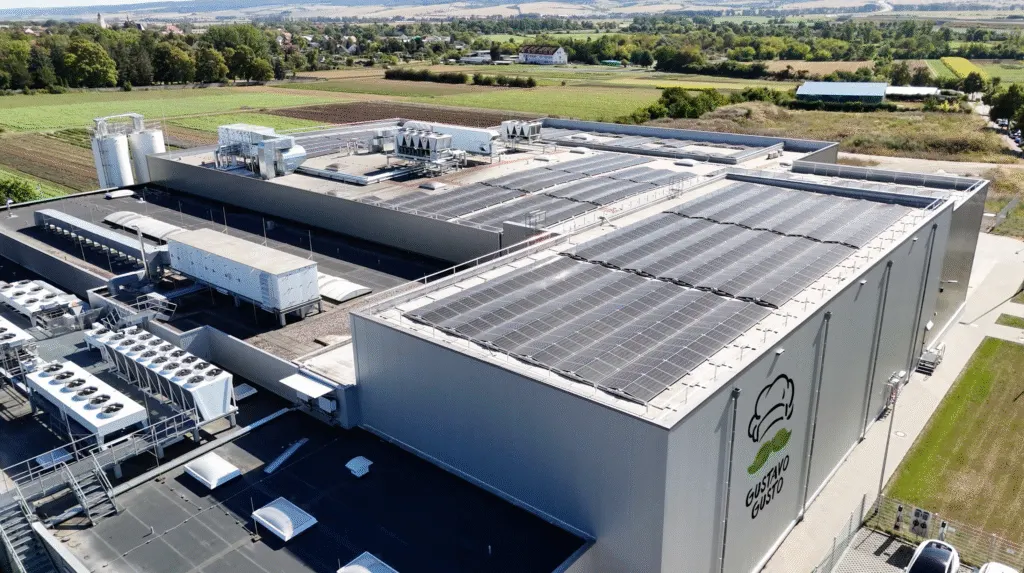

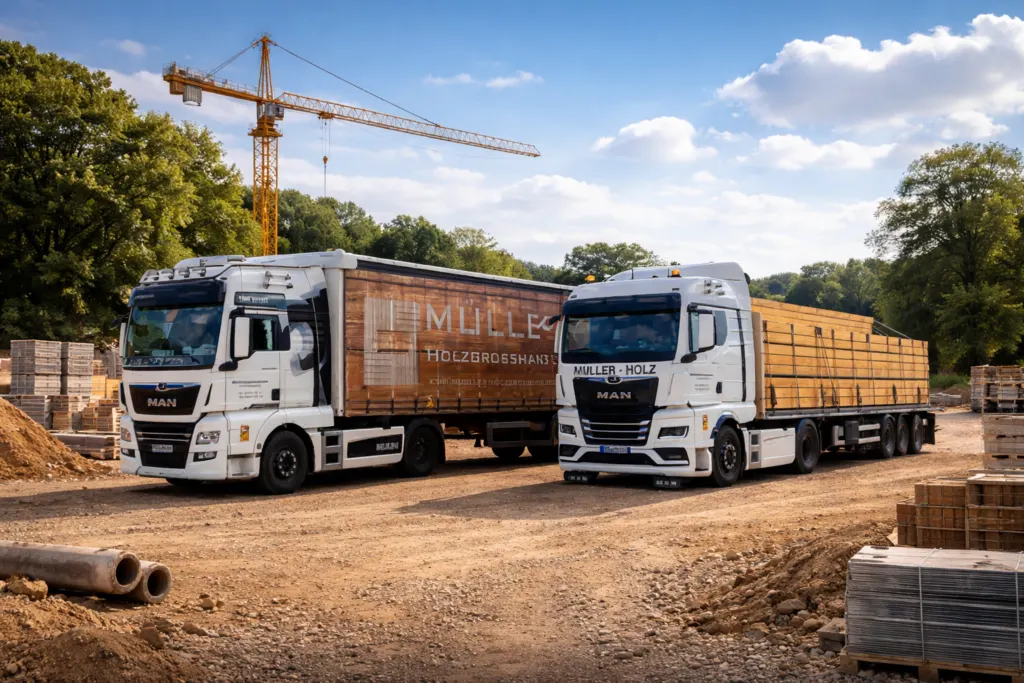


 5× LeaderOMR Reviews Q4/26
 IDW PS 880audited software
 ISO/IEC 27001certified by DQS
 TÜV RheinlandCCF methodology verified
 GRISoftware & Tools Partner
We clarify which life cycle data your customers expect and how you get started with Code Gaia.
Would you like to become a partner or are you a consultancy? Please click here.
We only use technically necessary storage. Some pages embed external content (HubSpot meeting calendar, Spotify podcast) that sets cookies and transfers data to the providers, partly to the USA. We only load it with your consent. Privacy policy (German)